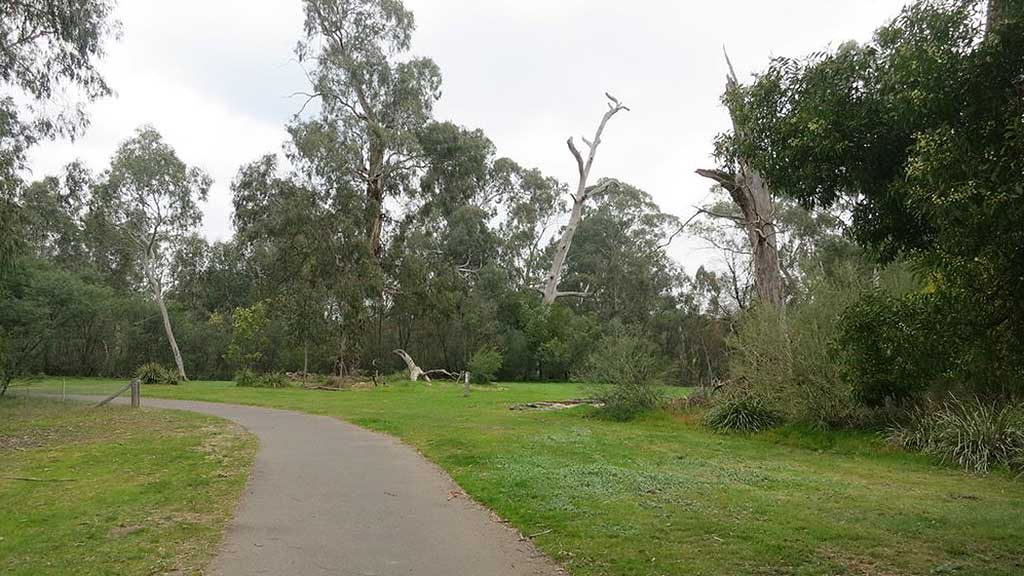

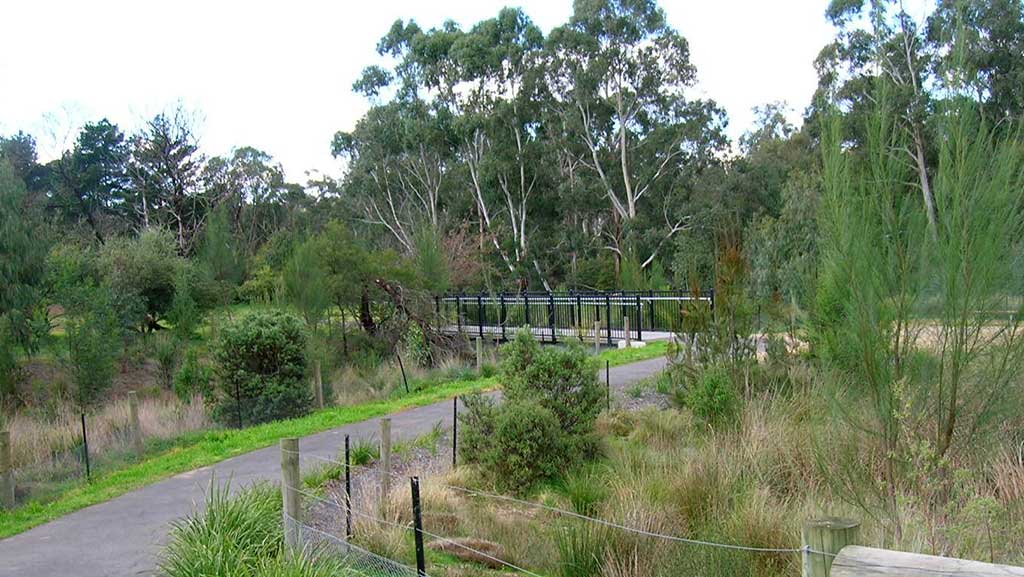
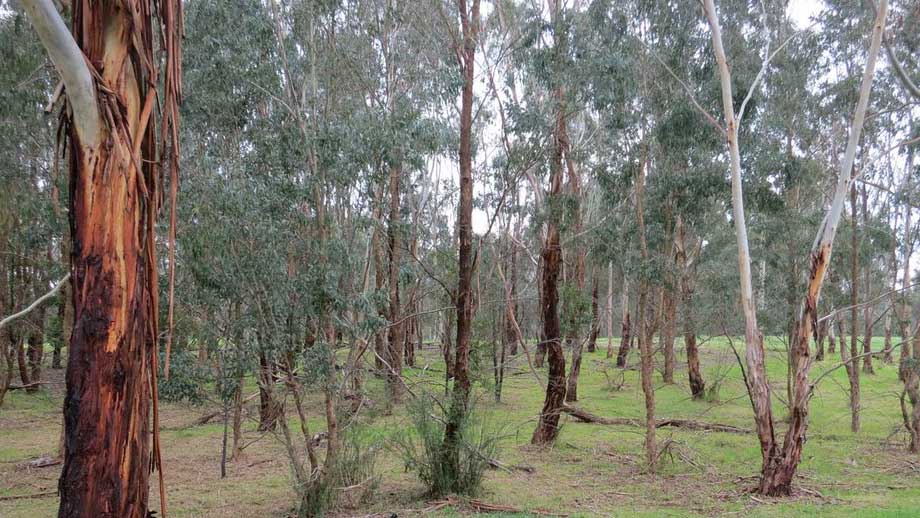
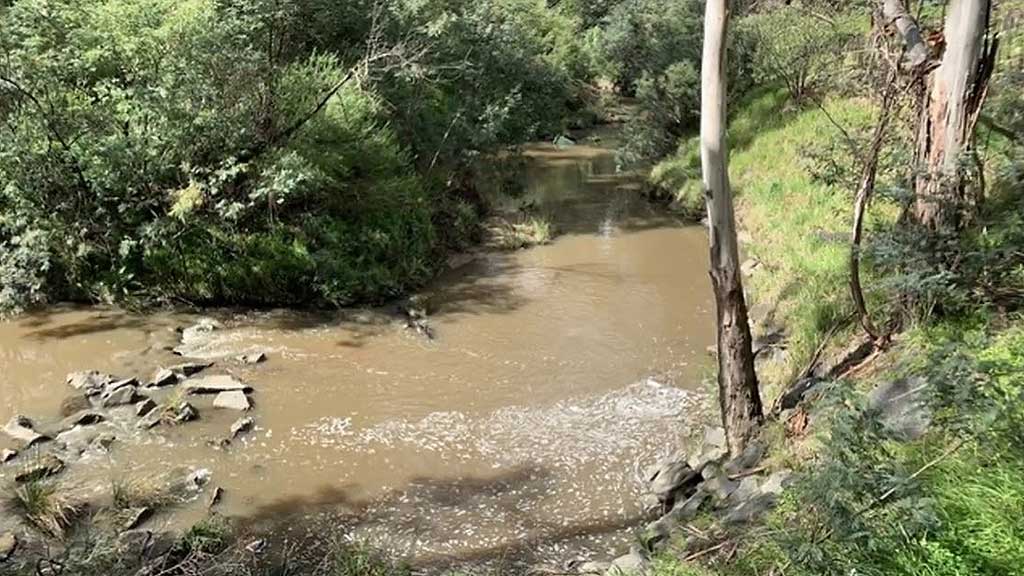

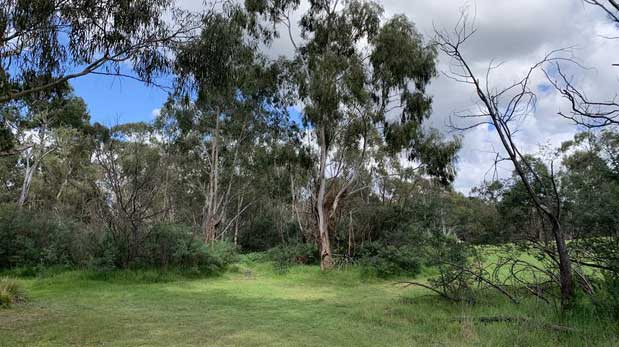
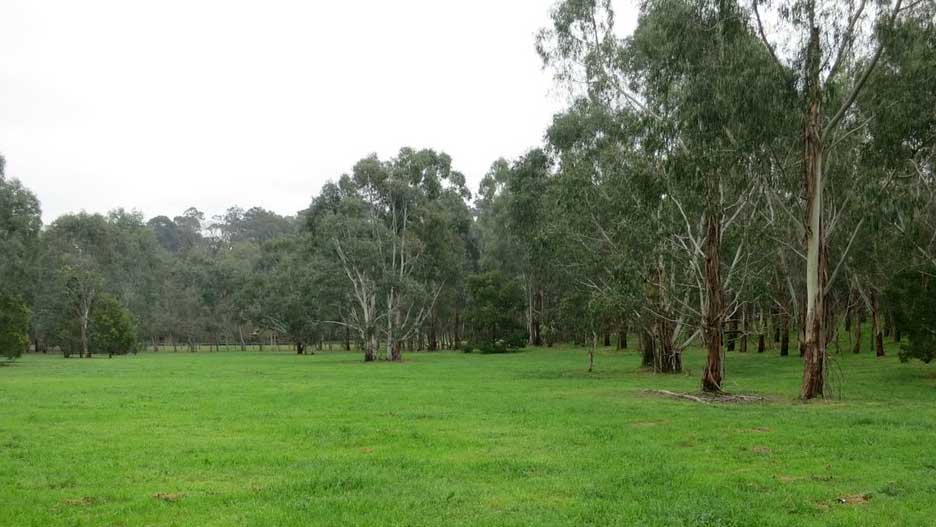
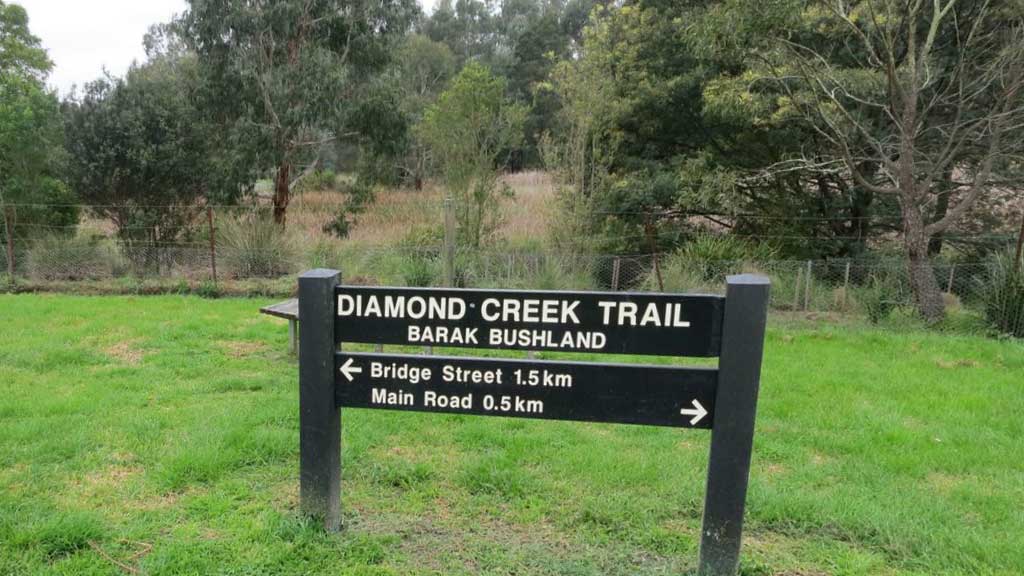
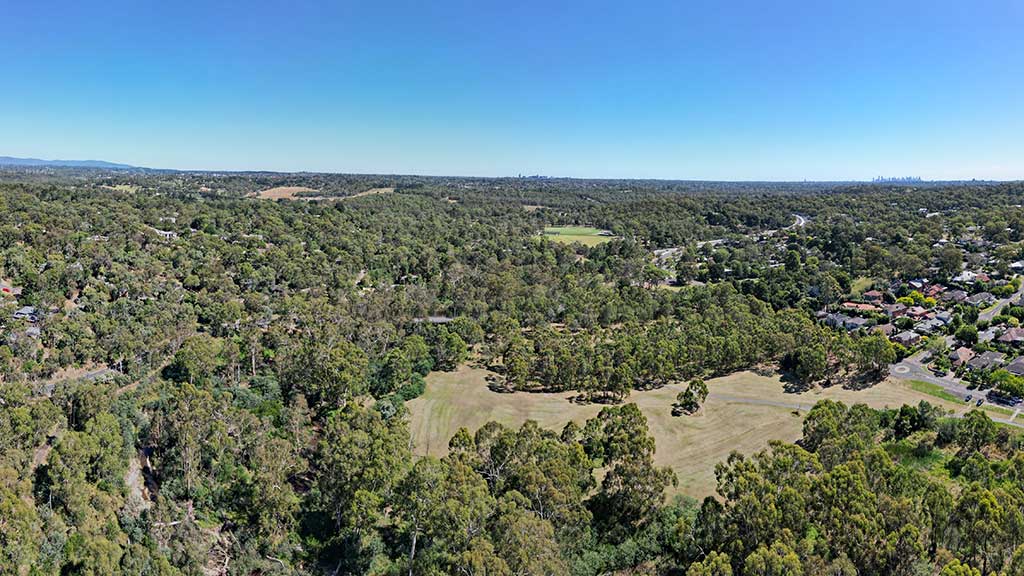
The Barak Bushlands Reserve is a wetlands and urban bushland area immediately north-west of the Eltham Gateway approach, beside the Diamond Creek. It forms part of a walking trail and was named on 15 April 2004 as part of the Shire of Nillumbik’s commitment to Indigenous reconciliation.
The naming day memorialised the one hundred and first anniversary of the death of the last full-blood Yarra Aboriginal leader, William Barak, in 1903. It was previously known as the Falkiner Street Reserve.
A Brief History
This land was once riparian woodland following the Diamond Creek right down to the Yarra River. It formed part of the hunting and gathering grounds of the Wurundjeri clan who are the traditional custodians of this land.
William Barak became Ngurungaeta (senior elder) of the Wurundjeri clan in 1875. After European settlement the land was cleared and market gardens functioned in the area until the 1980s
The land is now a Nillumbik Shire Council owned reserve, managed in partnership with the local Friends Group. Since 1988 Council and the Friends Group have worked tirelessly to transform the reserve into a functioning wetland and urban bushland. Over 20,000 trees, shrubs and grasses have been planted by volunteers to date.
Features of the Barak Bushlands Reserve
There are some quite large hilly, grassy areas bordered by bushland, and the Diamond Creek forms a natural barrier on the eastern side. The height of the grass is dependent on the mowing frequency of the council.
The Diamond Creek Trail (joining Hurstbridge in the north with the Main Yarra Trail to the city in the southwest) runs along the west side of these bushlands.
The Wingrove Park trail splits at the entrance to the reserve, running to the east side of the creek parallel to Main Rd.
A dog off-leash area comprises a large open grass area inside the park, close to Falkiner Street.

About William Barak
The Bushlands are named for William Barak (1823 – 15 August 1903), son of Tooterrie and Bebejan, and the last traditional ngurungaeta of the Wurundjeri-willam clan, the pre-colonial inhabitants of present-day Melbourne.
Barak was said to have been present as a boy when John Batman met with the tribal elders to “purchase” the Melbourne area in 1835. He became an influential spokesman for Aboriginal social justice and an important source of Wurundjeri cultural lore. He was instrumental in petitioning for and setting up the Aboriginal farming community known as Coranderrk, near Healesville, Victoria. Barak and other elders walked from Coranderrk to Parliament House, Melbourne to approach parliamentarians directly several times, as well as using newspapers to further their cause.
In his later life Barak painted and drew Wurundjeri ceremonies and carved weapons and tools, becoming widely known both at home and abroad for his art and maintenance of culture as well as a singer and storyteller. He is now considered a significant Aboriginal artist of the nineteenth century.
Connect
Events, workshops, and volunteer & support activities related to this site:
- Friends of Barak Bushlands group: For opportunities to be involved in caring for this place, please contact Carolyn Mellor 0417 586 202
Further Reading and References
- Nillumbik Shire Council: https://www.nillumbik.vic.gov.au/Explore/Parks-and-playgrounds/Barak-Bushlands
- Australian Dictionary of Biography: https://adb.anu.edu.au/biography/barak-william-2930